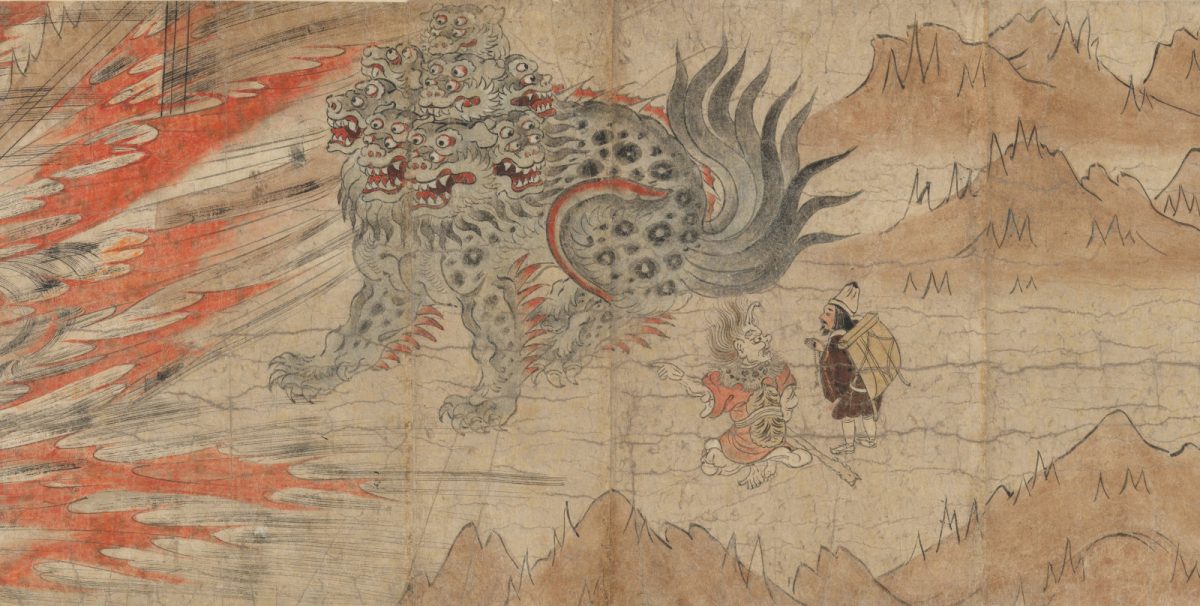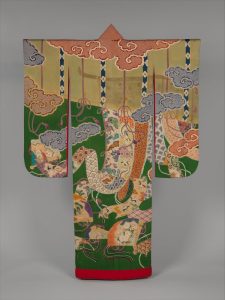
In a world that moves ever faster, the search for enduring meaning has become one of our greatest challenges. We look for points of reference where Eastern and Western traditions meet. The cloud is the subject of our first chapter of exploration. In Asian culture, it symbolizes freedom, inner strength, and constant renewal. Its story reveals how local traditions can shape a universal cultural language.
In East Asia, the reverence for clouds is rooted in the worship of the heavens and the circulation of vital energy. In ancient times, cloud motifs (yunwen) were understood as visible manifestations of qi, the cosmic life force. Mist and celestial haze were seen as the meeting of earthly yin and heavenly yang—the very breath of the universe. The cloud represented latent power and the beginnings of life, bringing the rain that nourishes the earth. Through this association with fertility, cloud patterns became sacred symbols, heralding peace and blessings.
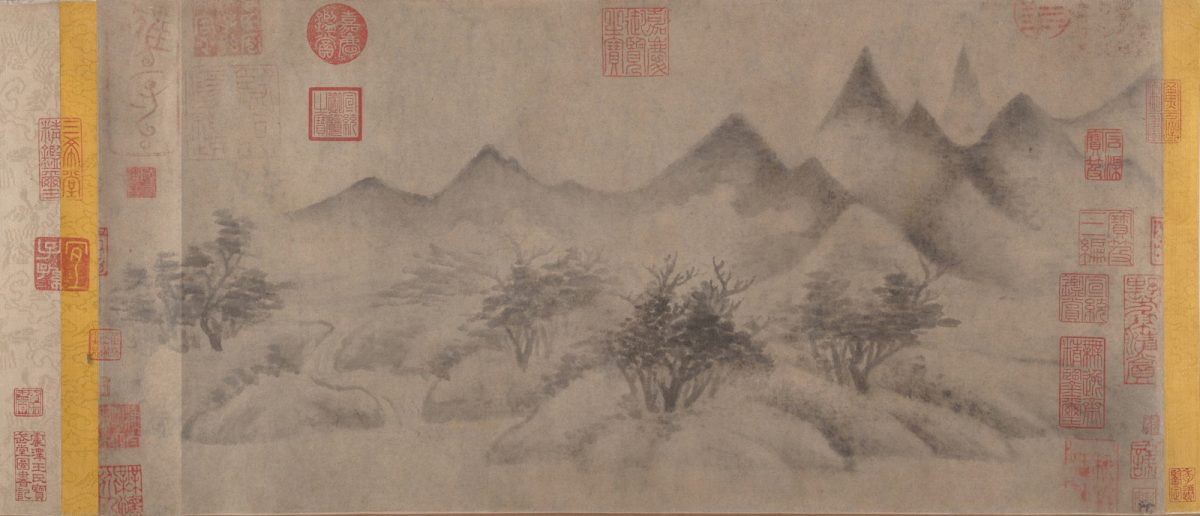
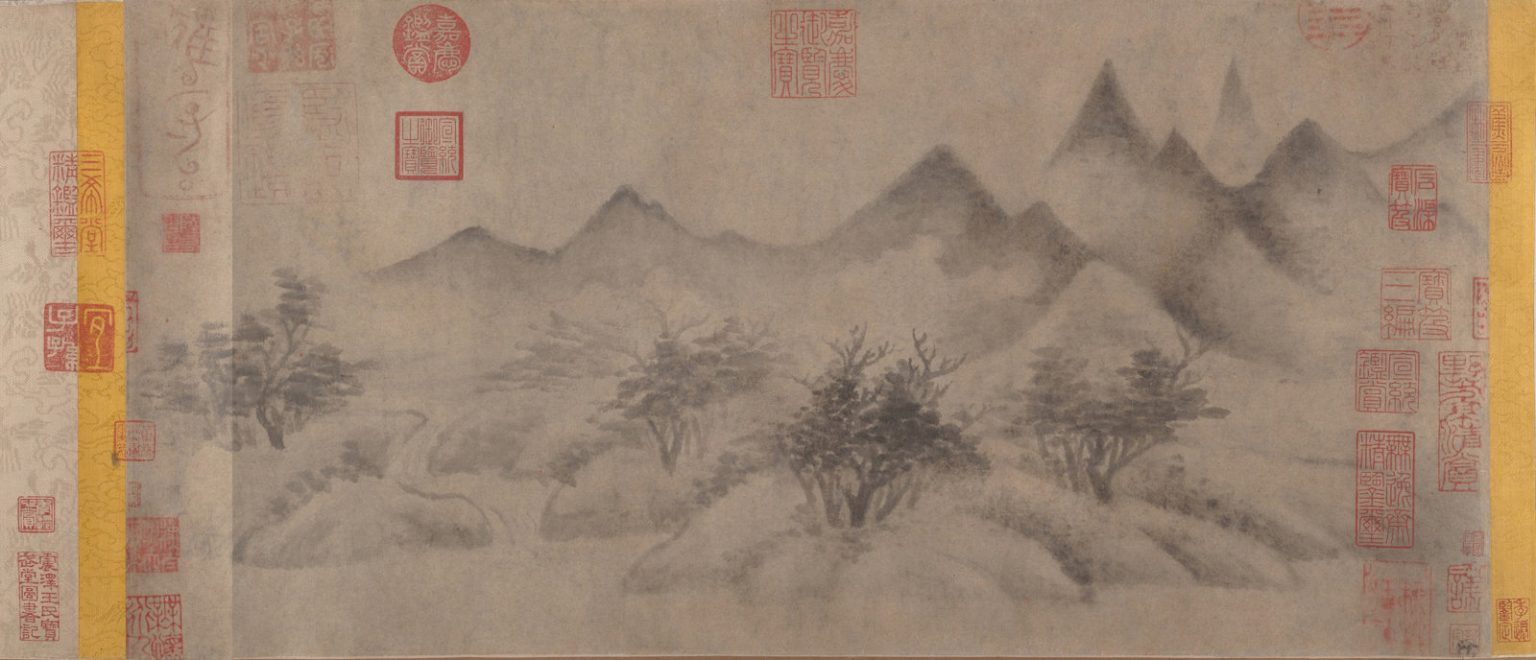
Mi Youren (China)
Before 1200. Southern Song dynasty (1127–1279)
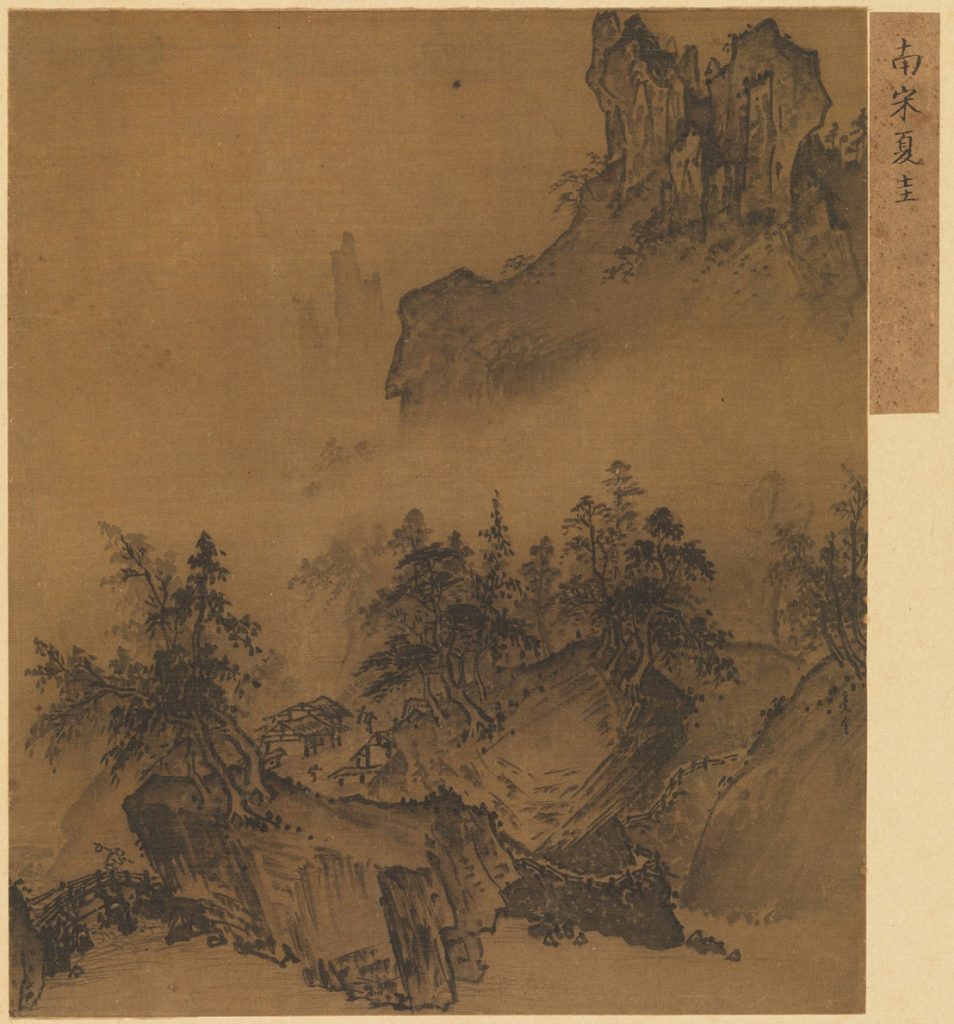
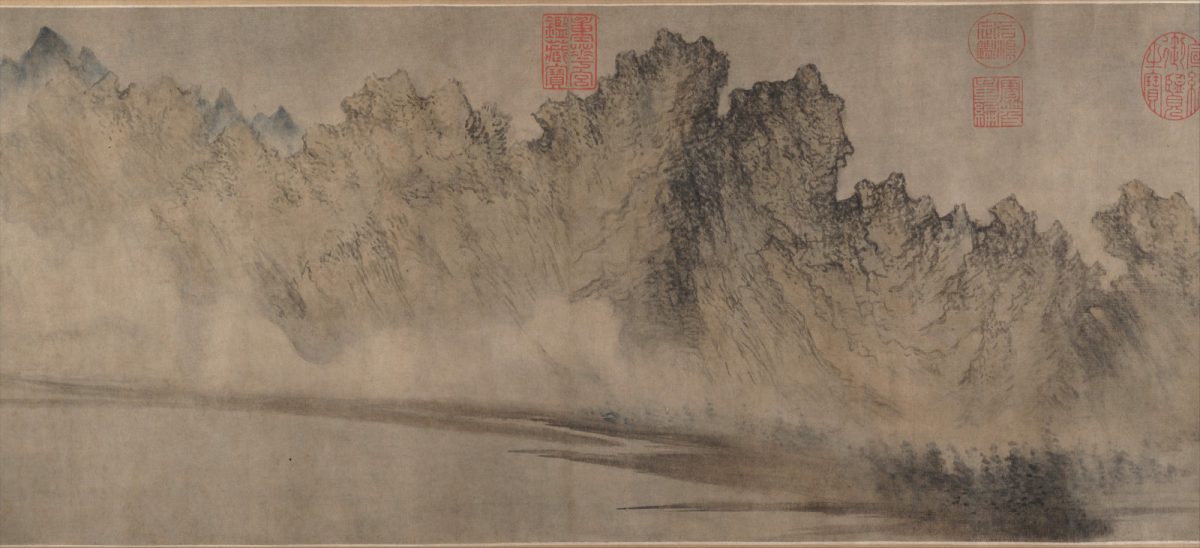
Xia Gui (China)
Early 13th century. Southern Song dynasty (1127–1279)
With the rise of Daoism, the cloud took on a philosophical dimension, embodying the principles of naturalness (ziran) and effortless action (wu wei). A cloud has no fixed shape: it is constantly changing, yielding to the wind without ever losing its essence as water. In Daoist tradition, the sage was likened to ‘drifting clouds and flowing water’ (yun shui), an image of complete inner freedom, detachment from worldly distractions, and the ability to move in harmony with the natural course of things. Mist-shrouded mountains, meanwhile, were believed to be the dwelling places of immortals and the ‘grotto-heavens’ where seekers withdrew to purify the spirit.
In Buddhist tradition, the cloud became a metaphor for the transience of all things. Buddhist sutras compare human life, thoughts, and worldly possessions to clouds: they gather without warning and dissolve without a trace.
In Japan, this idea found expression in the aesthetic of mono no aware—the ‘pathos of things,’ or the bittersweet beauty of impermanence. It is the ability to recognize beauty in a fleeting moment. Impermanence is understood as a natural law of existence, freeing us from false attachments and reminding us that every ending carries the possibility of a new beginning.
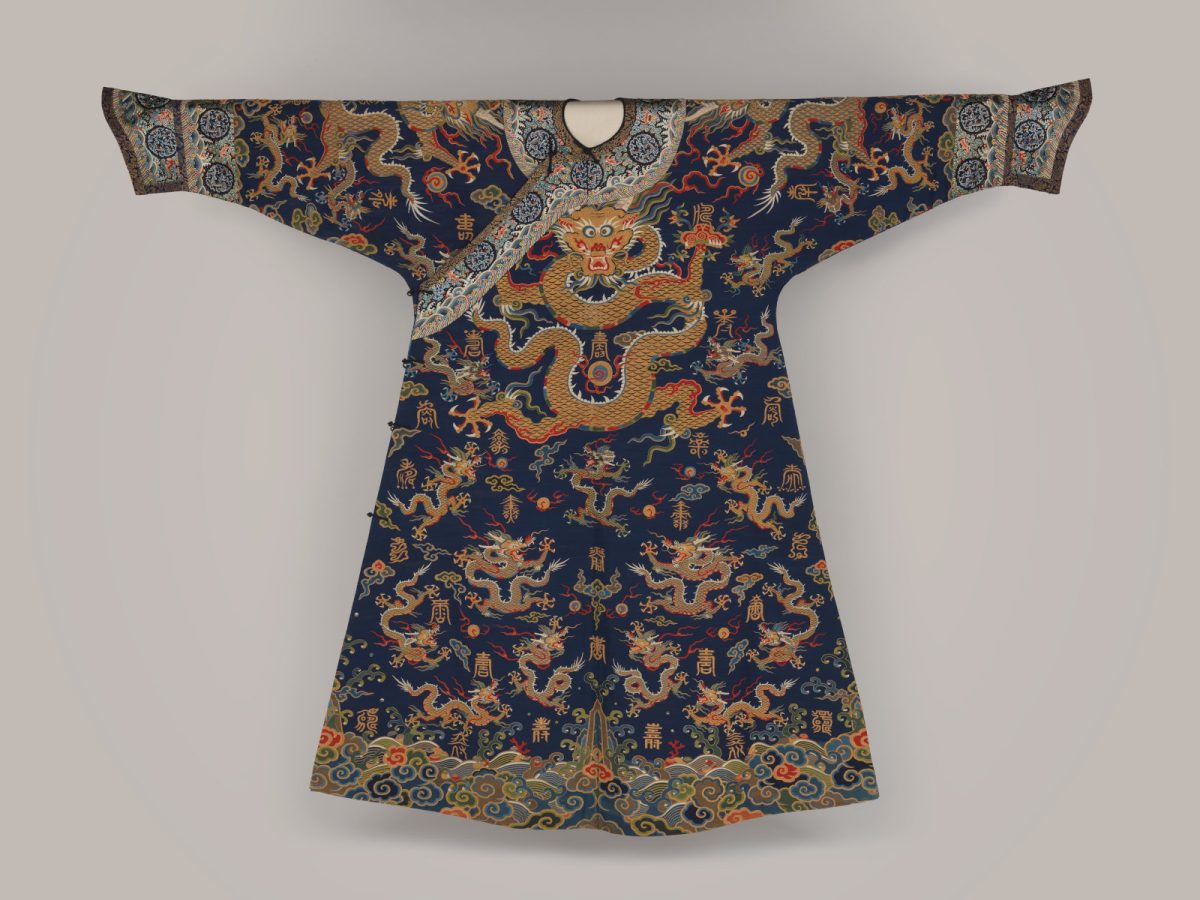
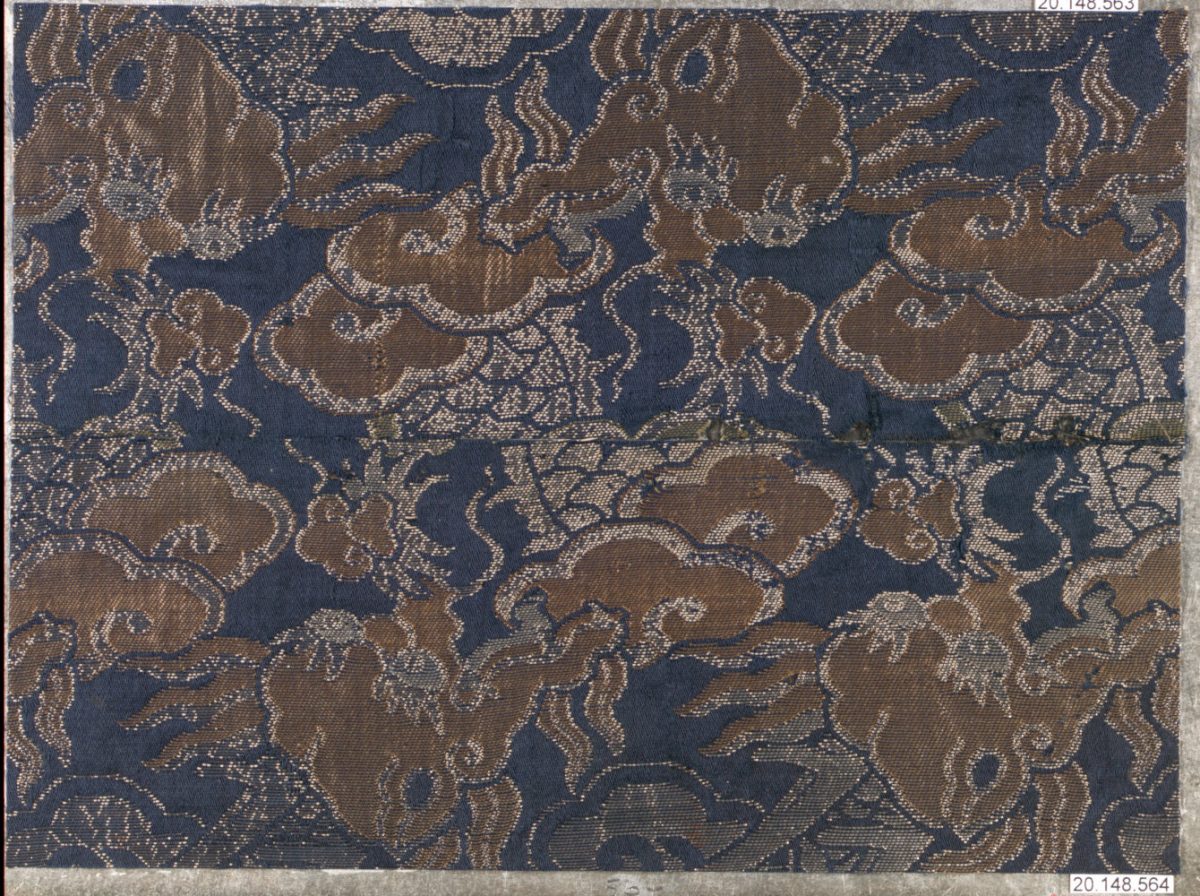
China
17th century. Qing dynasty (1644–1911)
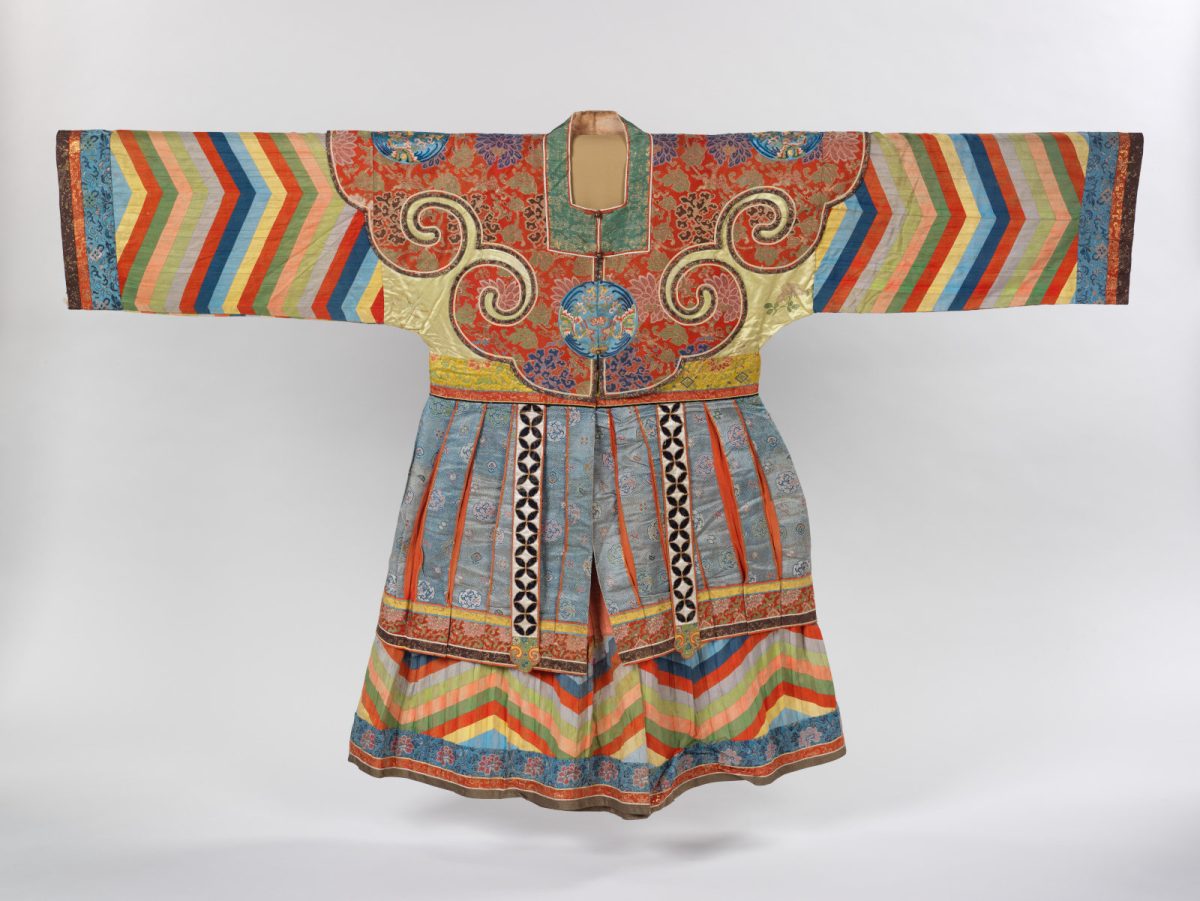
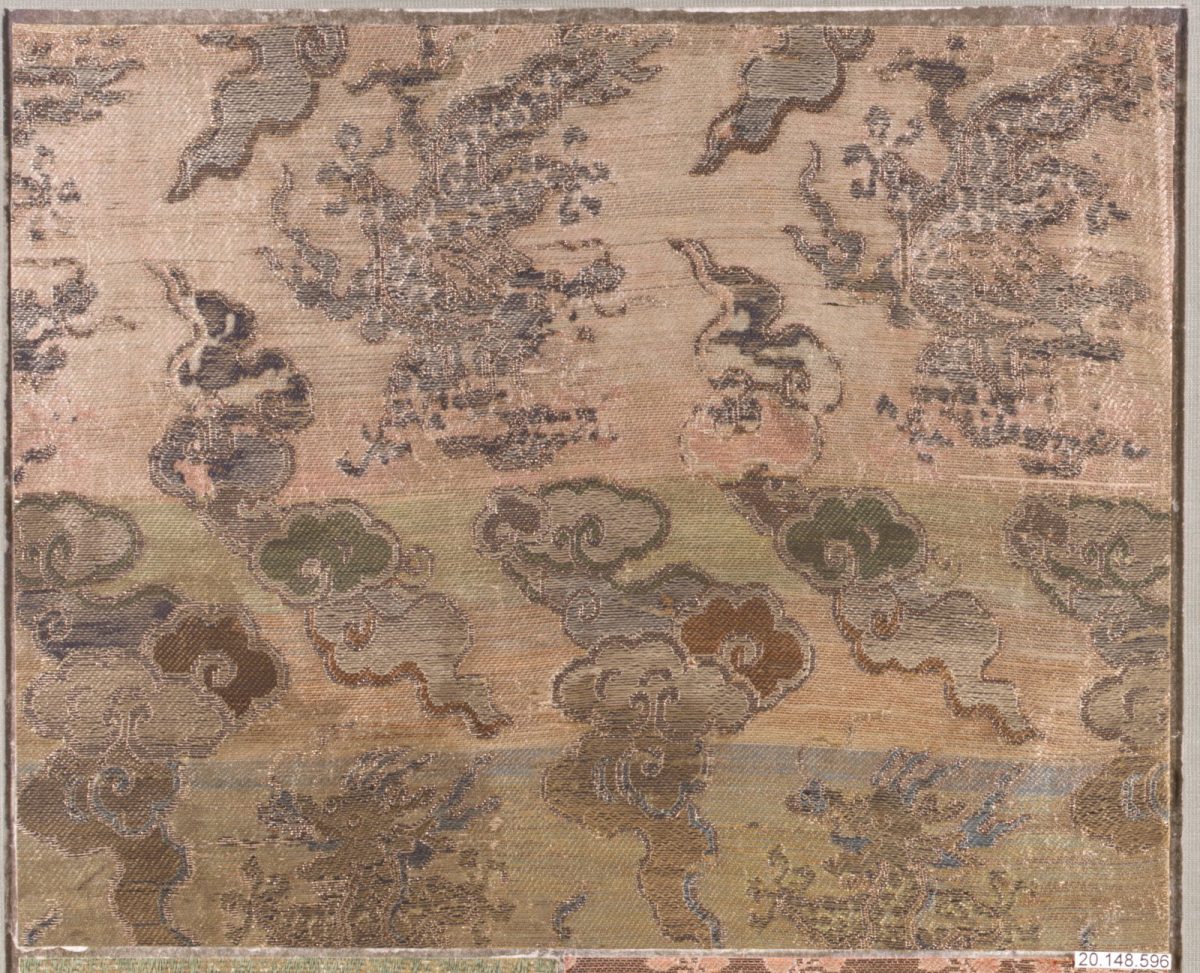
China
18th century. Qing dynasty (1644–1911)
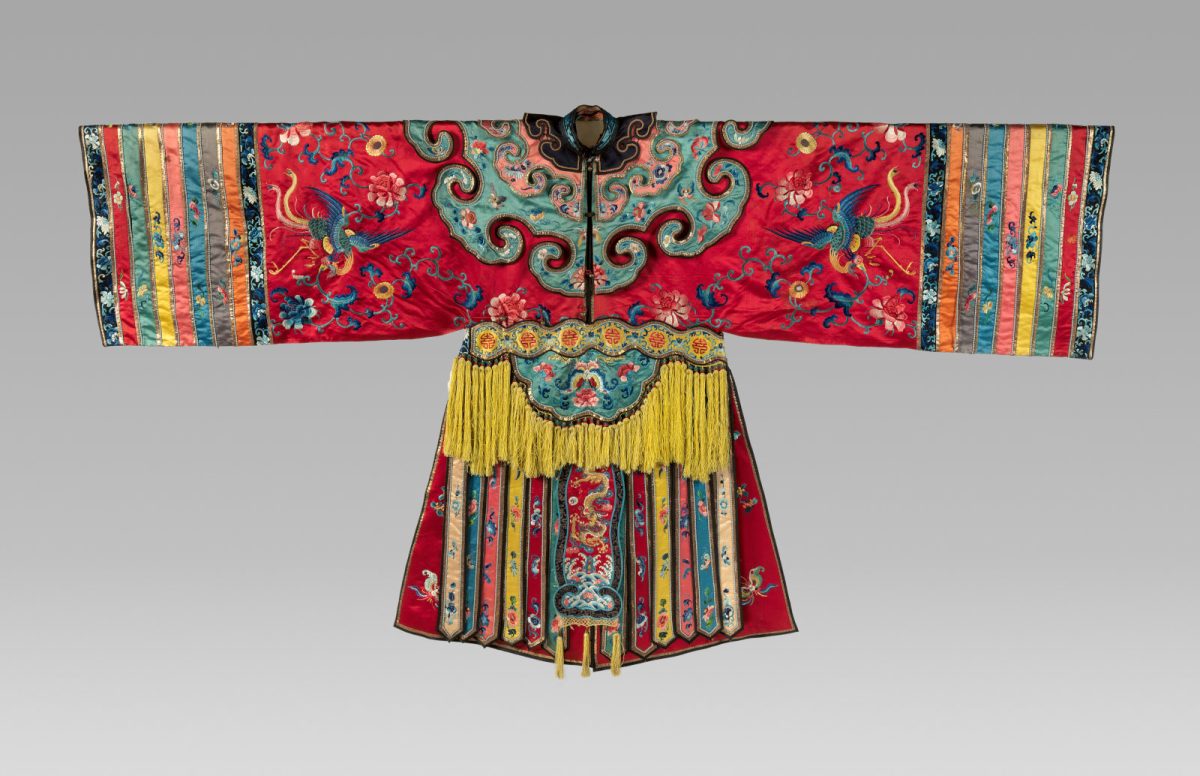
China
19th century. Qing dynasty (1644–1911)
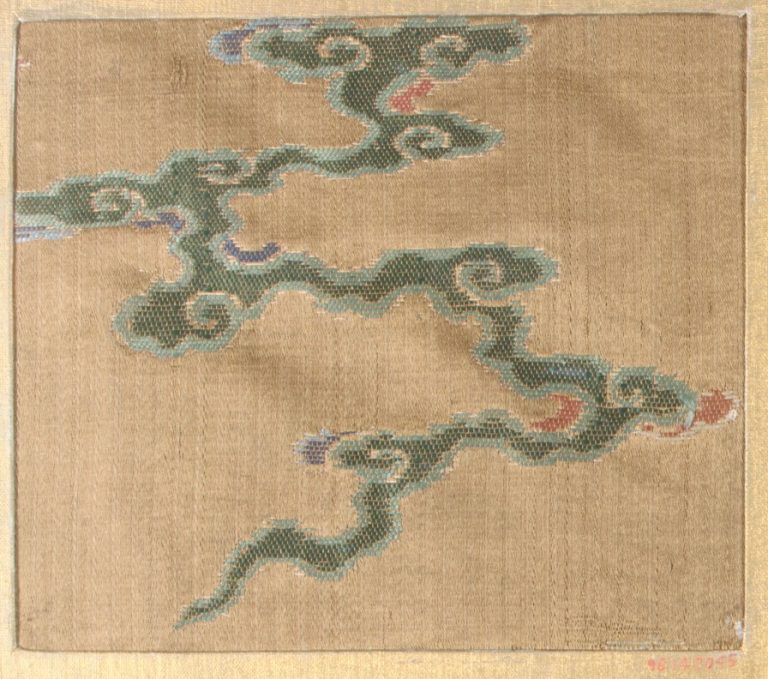
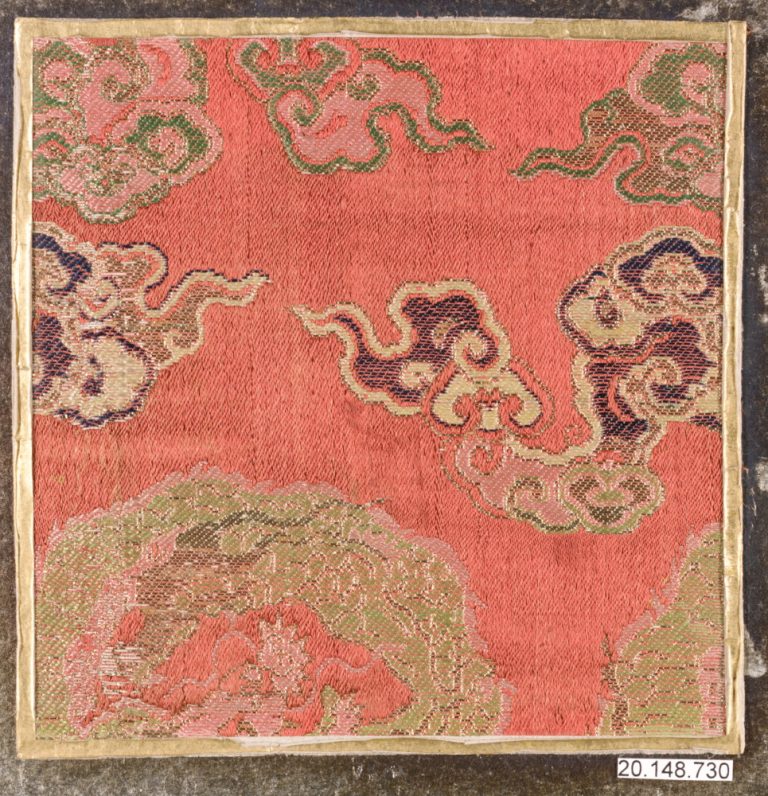
In Chinese, Korean, and Japanese painting, clouds helped define both the space and composition of an image. Artists deliberately left areas of silk or paper untouched, allowing the unpainted surface to become mist and cloud. Emptiness was an integral part of the composition, separating the earthly realm from the sacred mountain heights. Rather than capturing the cloud’s exact outline, artists sought to express its inner rhythm and movement. Over time, these fluid brushstrokes evolved into a recognizable motif: rounded cloud forms trailing long, flame-like ribbons.
Another important figure is the dragon, regarded in East Asia as a benevolent guardian of water. Clouds were thought to be its breath, or a veil concealing its power. The image of a dragon emerging through storm clouds symbolized hidden strength, ready to reveal itself at the right moment. A special place was reserved for ‘auspicious clouds’ (xiangyun), whose appearance was interpreted as a sign of heavenly favor. Their shapes echoed the lingzhi mushroom, a symbol of longevity that also inspired ceremonial wish-granting scepters.
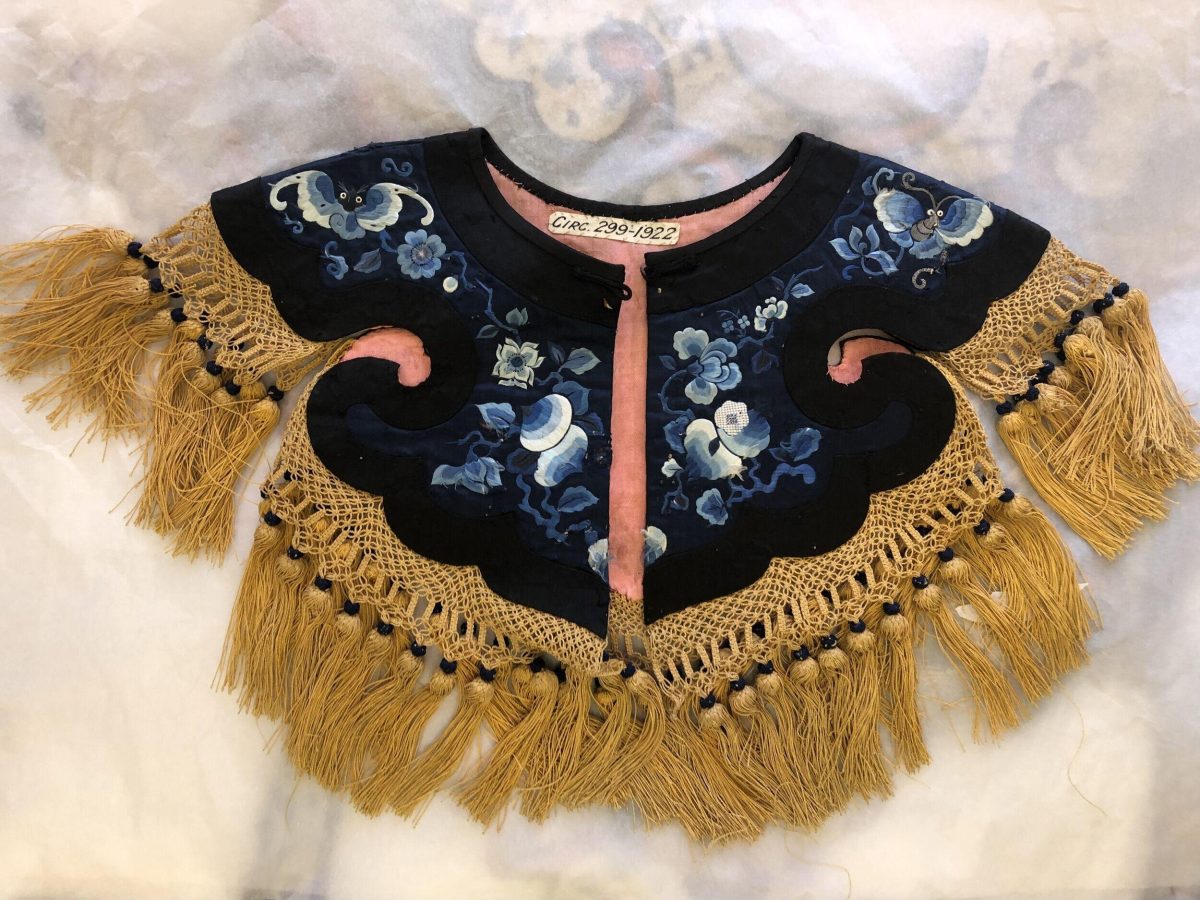
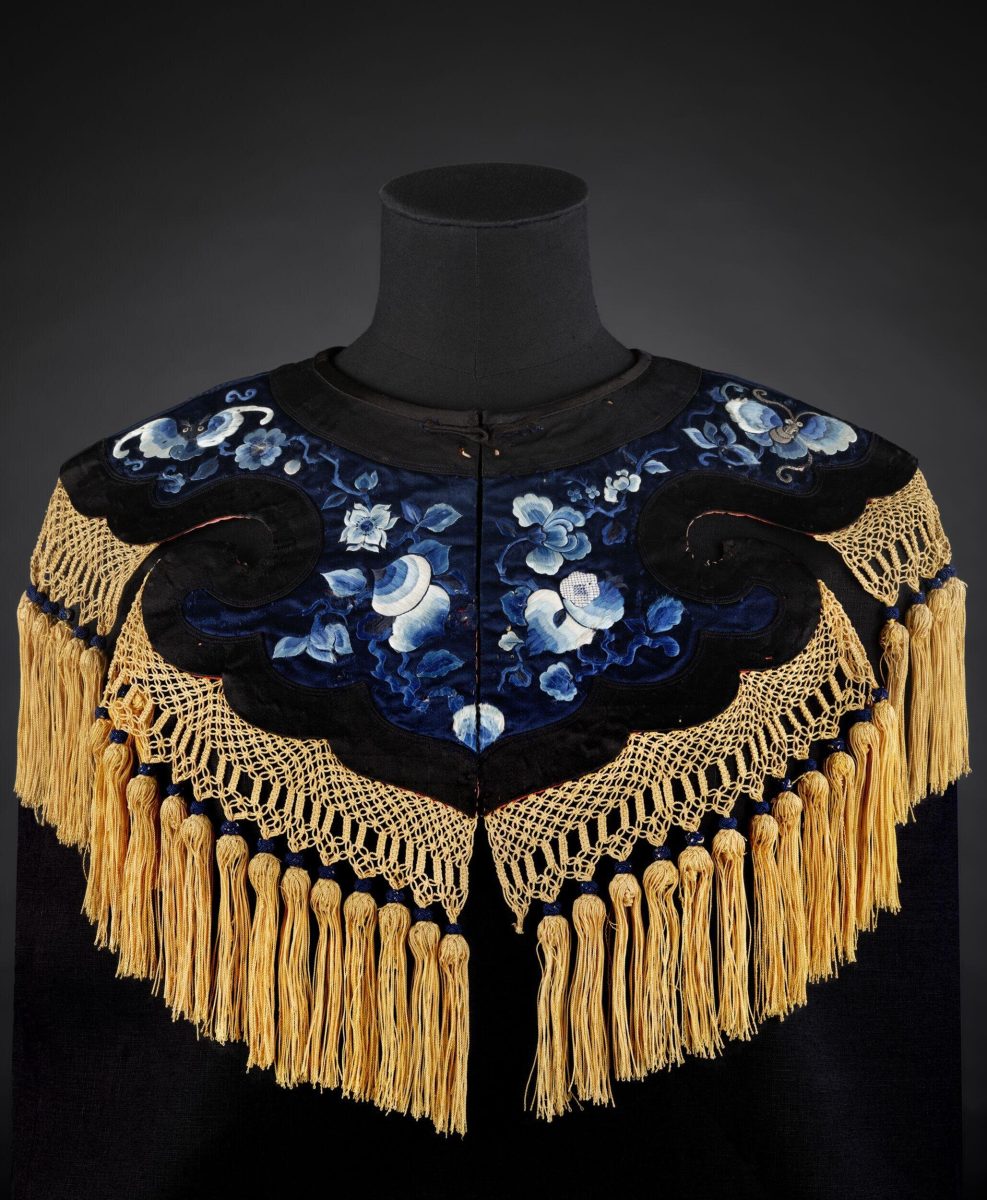
In textiles, the cloud motif became a mark of elevated status. Golden clouds on men’s ceremonial robes evoked the ruler’s connection to the heavens. In women’s dress, a defining symbol was the ‘cloud collar’ (yunjian), a four-lobed design framing the neck. Incorporated into formal garments, it served as a protective emblem, guarding the wearer from all four directions.
As trade flourished along the Silk Road, the Chinese cloud motif began its journey westward. In the 13th century, Persian and Central Asian artisans adopted elements of East Asian painting, including the ‘cloud band.’ This motif took the form of long, winding ribbons that stretched across fabric or paper like silk carried by the wind, curling at the ends. In Islamic art, the motif—known as bulut, the Turkish word for ‘cloud’—became a purely abstract ornament. Persian artists wove these flowing lines into intricate patterns, giving the cloud a more calligraphic, flame-like character.
In Central Asian textiles, the motif evolved into the abr pattern—a word meaning ‘cloud’ or ‘haze.’ Artisans created fabrics using the ikat technique, locally known as abrbandi, literally ‘tying the cloud.’ Before weaving, bundles of warp threads were tied and dyed in sections. As the fabric took shape on the loom, slight shifts in the threads produced the characteristic soft, drifting outlines. In these shimmering patterns, the people of the oases saw the wispy clouds above mountain rivers.
The story of the cloud reveals how a visual metaphor can connect eras, religions, and craft traditions across cultures. For the first InLayers collection, we reinterpreted this heritage. We brought together the Central Asian abr cloud motif and the sculptural volumes of Eastern tailoring through a complex interplay of textures, using the European chenille technique. In our debut bomber jacket, we combined structured denim, weightless silk, taffeta, and organza. A tangible dialogue between cultures, tradition, and modernity. A form that evolves while remaining unmistakably itself.